CAT 190-0649 Caterpillar Tightener Belt
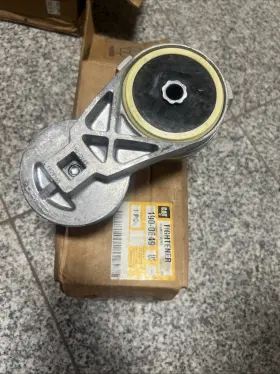
( Brand: Cat ), ( Manufacturer Part Number: 190-0649 ), ( Part Type: Belt ), ( Compatible Equipment Make: Caterpillar )
Review CAT Caterpillar Tightener Belt Genuine Oem
The Caterpillar Part Number 190-0649 is a crucial component for the efficient operation of your Caterpillar machine's hydraulic system. This product is specifically designed to be the tightener belt for Cat's hydraulic pump model 190 series.
The belt is manufactured using high-quality materials to ensure durability and reliability. It is made of a flexible, yet strong rubber compound that can withstand the rigors of heavy-duty industrial use. The belt's surface is covered with a special textured pattern that provides a superior grip on the pulleys, ensuring optimal belt tension at all times.
The 190-0649 tightener belt measures 10 inches long by 1.5 inches wide, making it a perfect fit for the hydraulic pump models it is intended for. Its cross-sectional shape is V-ribbed, which facilitates efficient power transmission from the engine to the hydraulic system.
The tightener belt plays a vital role in the hydraulic system by maintaining the proper tension on the drive belt and ensuring that the hydraulic pump is operating at peak efficiency. A worn or damaged tightener belt can cause a decrease in pump performance, leading to decreased productivity and increased downtime.
Replacing the 190-0649 tightener belt with a new, genuine Cat part ensures that your hydraulic system continues to operate at optimal performance levels. The use of aftermarket or poor-quality replacement parts can lead to premature wear and failure, resulting in additional costs and downtime.
In summary, the Caterpillar Part Number 190-0649 is an essential component for maintaining the efficiency and productivity of your Caterpillar machine's hydraulic system. Its high-quality design and materials, along with its precise fit and function, make it a valuable investment for any heavy-duty industrial operation.
Buying a Cat 190-0649 Caterpillar tightener belt is an investment in maintaining the optimal performance and longevity of your Cat machinery. Here are some pros and cons to consider before making your purchase:
Pros:1. Enhanced Productivity: A new tightener belt ensures proper belt tension, which results in efficient power transmission and reduced downtime.
2. Improved Machine Performance: Proper belt tensioning helps maintain optimal machine performance and reduces the risk of belt slippage, improving overall productivity.
3. Preventive Maintenance: Replacing the tightener belt before it fails can help prevent more costly repairs or replacements in the future.
4. Safety: A worn-out tightener belt can lead to safety hazards, such as belt slippage or failure, which can result in accidents and potential injuries.
5. Compatibility: The Cat 190-0649 tightener belt is designed specifically for Cat machinery, ensuring a perfect fit and optimal performance.
Cons:1. Cost: The cost of a new Cat 190-0649 tightener belt can be significant, especially for those operating on tight budgets.
2. Availability: Depending on your location or the availability of stock, you may have to wait for a new belt to be shipped, which can lead to extended downtime.
3. Installation: Installing a new tightener belt requires specialized knowledge and tools, which can add to the overall cost and time investment.
Conclusion:The decision to buy a Cat 190-0649 Caterpillar tightener belt depends on your specific needs, budget, and the importance of maintaining optimal machine performance. While the upfront cost may be a concern, the long-term benefits, such as increased productivity, improved safety, and reduced downtime, can outweigh the initial investment. Additionally, preventative maintenance can help identify potential issues before they become more costly repairs or replacements. If your Cat machinery is essential to your business operations, investing in a new tightener belt is a wise choice.
Recommendation:If you operate Cat machinery and depend on its productivity, we recommend investing in a new Cat 190-0649 tightener belt to ensure optimal performance and prevent costly repairs or replacements in the future. If budget constraints are a concern, consider exploring financing options or negotiating prices with suppliers to make the investment more affordable. Additionally, regular inspections and preventative maintenance can help identify potential issues before they become more significant problems.
Details:
New old stock.
part #: 1900649 prices
- $189.52-$414.06
specifications tractoheavy:
- brand: Cat
- mpn: 190-0649
- part type: Belt
- compatible equipment make: Caterpillar
payments tractoheavy:
- other
- wallet: Google-pay
- credit card: Visa
general tractoheavy:
- condition: New
- Heavy Equipment, Parts Attachments > Heavy Equipment Parts Accessories > Other Heavy Equipment Parts Accessories
shipping tractoheavy:
- type: Calculated
- class: Standard
- cost: $0.00
- transit: 5-13 Days
- service: USPS Ground Advantage
- carrier: USPS
returns tractoheavy:
- policy: No Returns
seller tractoheavy:
- rating: 97.8%
- city: Madisonville, Texas
- # reviews: 1382
offer tractoheavy:
- started: June 11, 2025
- availability: In Stock
- quantity: 5
- sold: 0
- options: Ship-to-home
Cat 190-0649 Is Similar To:
- Cat 7w3144 Caterpillar Elbow (50.6% similar) Caterpillar elbow 7W3144. Condition is used. Shipped with USPS ground advantage...(May 13th, 2024)
- Wico Model X Magneto Xh-2302 2 Cylinder Caterpillar Cat D7 Pony D7700 Hercules Deere (29.6% similar) Questions cheerfully answered. If there is ever a problem, mistake or misunderstanding I will do my very best to regain your trust. # HX-2302 magneto has all moving parts with working impulse and no apparent damage found. Here is a complete Waco model x two cylinder magneto that offered as...(May 14th, 2024)
- Cat 8s3158 Indicator For Caterpillar Used Part 8s3158 Ships Free (40.3% similar) Cones from a heavy equipment maintenance business for years. Used indicator for Caterpillar...(May 14th, 2024)
- Cat 6v-4089 Caterpillar Reameras 6v4089 With Packaging (51.4% similar) Caterpillar Cat reamers 6V-4089 6V4089 with packaging, do not know if item was ever used...(May 15th, 2024)
- Cat 0r5850 Oem Caterpillar Turbo Free Shipping Nib 0r-5850 1p1163 D8h 36a 46a (35.9% similar) This is a new Cat remain turbocharger, fits 36A and 46A serial number Caterpillar D8H tractors. The box was unopened prior to opening it verify contents and take pics of the turbo. 0R-5850 is the remain part for 1P-1163 assay...(May 15th, 2024)
- Cat 155-4652 Caterpillar Fuel Shut Off Solenoid Assembly 24vdc (52.6% similar) Cat Caterpillar 155-4652 fuel shut off solenoid assembly. 938G 950G 962G. Photographic evidence of defect or basis for return must be submitted at time request. Phone number. Brand: Cat Caterpillar. Model: 155-4652. 963B 963C 953C...(May 16th, 2024)
- Cat 6v6130 Good Used Puller Group For Caterpillar Free Shipping (38.6% similar) The brand of the group is Cat, ensuring compatibility with aforementioned equipment. The group is ideal for those in the business and industrial sector who require heavy equipment, parts, attachments. This 6V6130 puller group is designed for use with Caterpillar equipment, making it a valuable...(May 16th, 2024)
- Cat 8t3201 1u9725 Good Used Wrench For Caterpillar Free Shipping (40% similar) This 1U9725 or 8T3201 wrench is a great addition to your Caterpillar equipment. This wrench is perfect for those who are in need of a reliable and efficient tool their heavy equipment needs. It is compatible with a variety of Cat machines and made from high-quality materials to ensure durability...(May 16th, 2024)
- Cat 9g-1368 Caterpillar Sleeve Bearing Cartridge Bogie Pin (55% similar) Caterpillar sleeve bearing cartridge bogie pin Cat 9G-1368, see pictures for the exact item...(May 16th, 2024)
- Cat 9s-2268 Caterpillar Bracket (56.1% similar) Part #: Cat 9S-2268 for sale...(May 17th, 2024)
- Cat 5f8353 Good Used Pre-combustion Chamber Wrench For Caterpillar Ships Free (34.4% similar) It is perfect for those who want to keep their equipment running smoothly and efficiently. The brand of this part is Cat and it compatible with Caterpillar equipment...(May 17th, 2024)
